
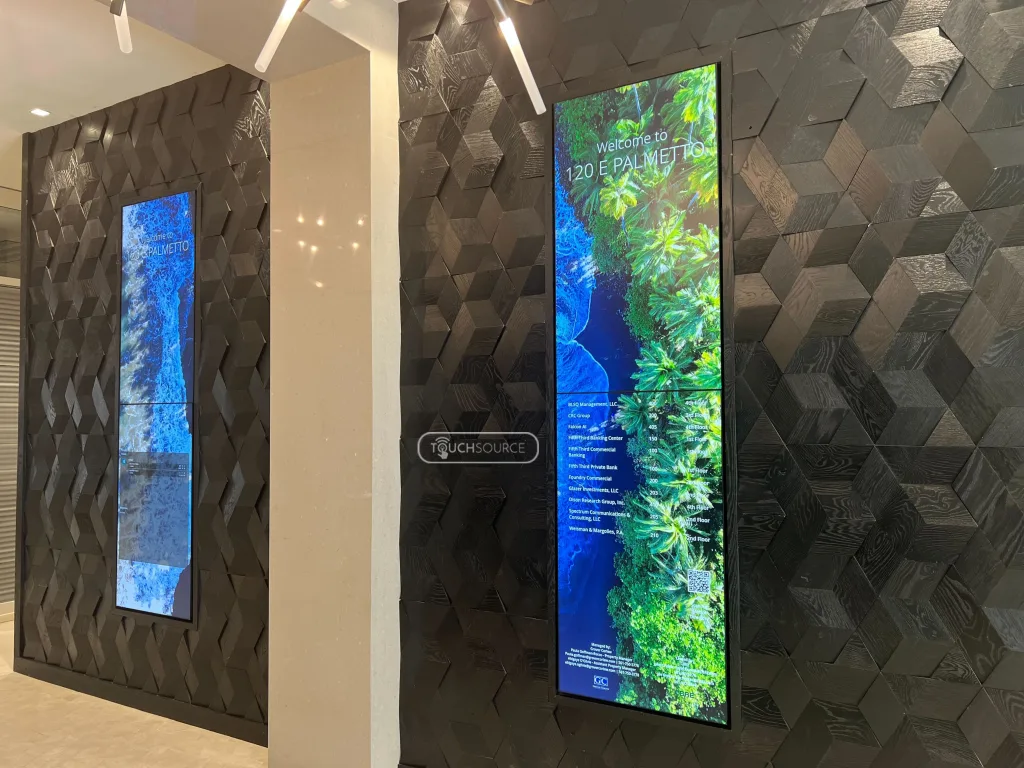
Sustainable Digital Signage: Energy-Friendly Solutions
Commercial spaces are undergoing a major transformation. Building owners and facility managers are increasingly prioritizing environmental responsibility, seeking ways to minimize their carbon footprint across every aspect of their operations. As part of this shift, the technology we use to communicate, navigate, and engage must adapt as well. Digital displays are a staple in modern facilities, but their continuous operation often raises concerns about high energy usage and electronic waste.
This growing need for environmentally conscious operations has sparked rapid innovation in green signage technology. Modern displays no longer force organizations to choose between vibrant visual communication and responsible energy use. Advancements in engineering and manufacturing have enabled the deployment of large-scale screens that align with stringent environmental goals. By adopting sustainable digital signage, organizations can significantly reduce operational costs while supporting broader corporate sustainability initiatives. Understanding the latest hardware advancements, from low-power video walls to smart automated controls, makes it easier to select solutions that deliver long-term value for both your business and the environment.
Energy-Efficient LED Wall Technologies
The core component of any digital display is its lighting technology. Older display models relied on power-heavy components that generated excess heat and required robust cooling systems. Today, energy-efficient LED wall technologies have flipped that dynamic. Manufacturers are utilizing advanced light-emitting diodes that produce higher brightness levels while drawing significantly less current. These components run cooler, naturally extending their operational lifespan and eliminating the need for aggressive, power-hungry cooling fans. When evaluating LED wall sustainability, examining the underlying diode technology is the first step toward understanding the system’s true environmental impact.
Reducing Power Consumption Without Compromising Performance
A common worry when switching to eco-friendly digital signage solutions is that the visual quality might suffer. Fortunately, energy-saving digital screens are engineered to deliver stunning clarity and color accuracy while using a fraction of the electricity.
- Advanced Pixel Design: Modern low-power video walls use highly efficient pixel architectures. By optimizing how each pixel draws power and emits light, these displays maintain deep contrasts and vivid colors even in brightly lit lobbies or outdoor environments.
- Efficient Power Supplies: Digital signage power consumption is heavily influenced by the power supply unit (PSU). Sustainable signage hardware often incorporates high-efficiency PSUs that convert AC to DC power with minimal energy loss. This translates directly to lower electricity bills and a reduced carbon footprint, all while keeping the screen performing at its absolute best.
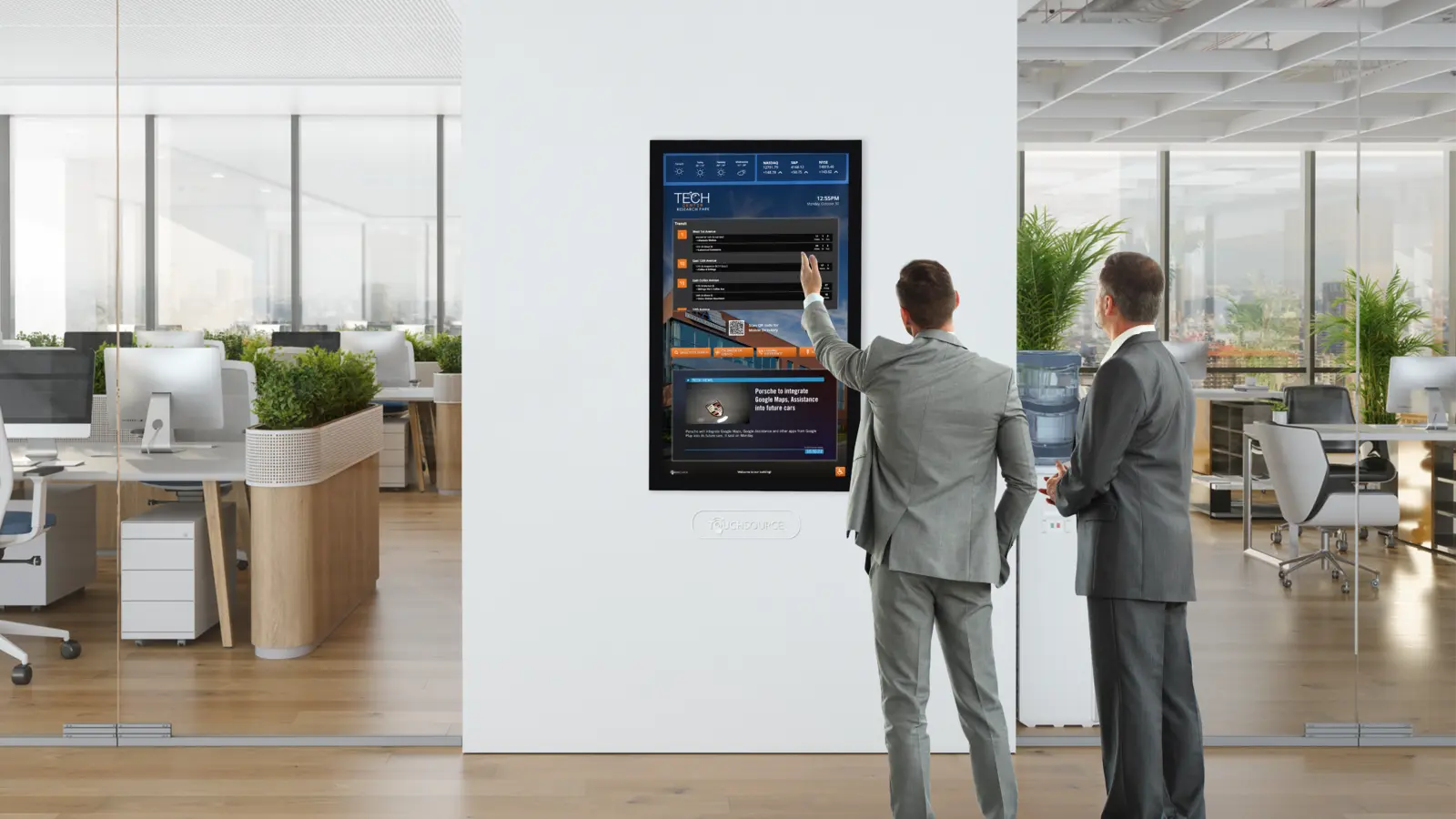
Pictured: TouchSource Crestone Efficient Digital Signage Display
Eco-Friendly Materials and Responsible Manufacturing
Sustainability extends far beyond the electricity a screen uses while turned on. True eco-friendly digital signage accounts for the entire lifecycle of the product, starting on the manufacturing floor. Forward-thinking manufacturers are rethinking how displays are built and the materials used to construct them. Many new displays feature chassis and mounting hardware made from recycled aluminum and steel. Furthermore, responsible manufacturing processes prioritize the elimination of hazardous substances. By avoiding toxic chemicals, heavy metals, and harmful solvents during assembly, companies ensure their products are safer for factory workers, end users, and, eventually, the environment when the hardware reaches the end of its life.
Product Lifespan, Repairability, and Waste Reduction
Electronic waste is a massive global challenge. To combat this, sustainable digital signage is designed with longevity and repairability in mind. Buying a display that lasts ten years instead of three drastically reduces the volume of hardware ending up in landfills.
- Modular Components: One of the most effective ways to reduce waste is through modular design. If a single panel or power supply fails on a video wall, the entire unit need not be discarded. Technicians can easily swap out the broken module, keeping the rest of the display functioning perfectly.
- Upgradable Hardware: Instead of ripping out an entire system when software or processing requirements change, many modern displays allow for interchangeable media players and processing units. This modular approach keeps the main physical structure intact while keeping the technology current.
Smart Energy Management and Automated Controls
Hardware is only one side of the sustainability equation. How you operate that hardware is equally critical. Integrating smart energy management tools enables facilities to control the power consumption of their digital signage tightly. Most energy-saving digital screens come equipped with ambient light sensors. These sensors detect the brightness of the surrounding room and automatically adjust the screen’s backlight. A screen doesn’t need to run at maximum brightness during the evening or on cloudy days. This simple automated adjustment saves a massive amount of electricity over the course of a year. Additionally, automated scheduling software ensures that displays are completely powered down when the building is closed. Instead of relying on staff to manually turn off screens, facility managers can program exact operating hours, ensuring zero energy is wasted overnight or during weekends.
Environmental Compliance and Green Certifications
When sourcing sustainable hardware for signage, looking for recognized environmental certifications helps verify a product’s green claims. These standards provide a reliable benchmark for energy efficiency and safe manufacturing.
- Energy Star: Displays earning this certification meets strict energy efficiency guidelines set by the US Environmental Protection Agency.
- RoHS Compliance: The Restriction of Hazardous Substances directive ensures that the hardware does not contain specific hazardous substances, such as lead, mercury, or cadmium.
- LEED Credits: Installing highly efficient green signage technology can contribute to a building’s overall LEED (Leadership in Energy and Environmental Design) certification, a globally recognized symbol of sustainability achievement.
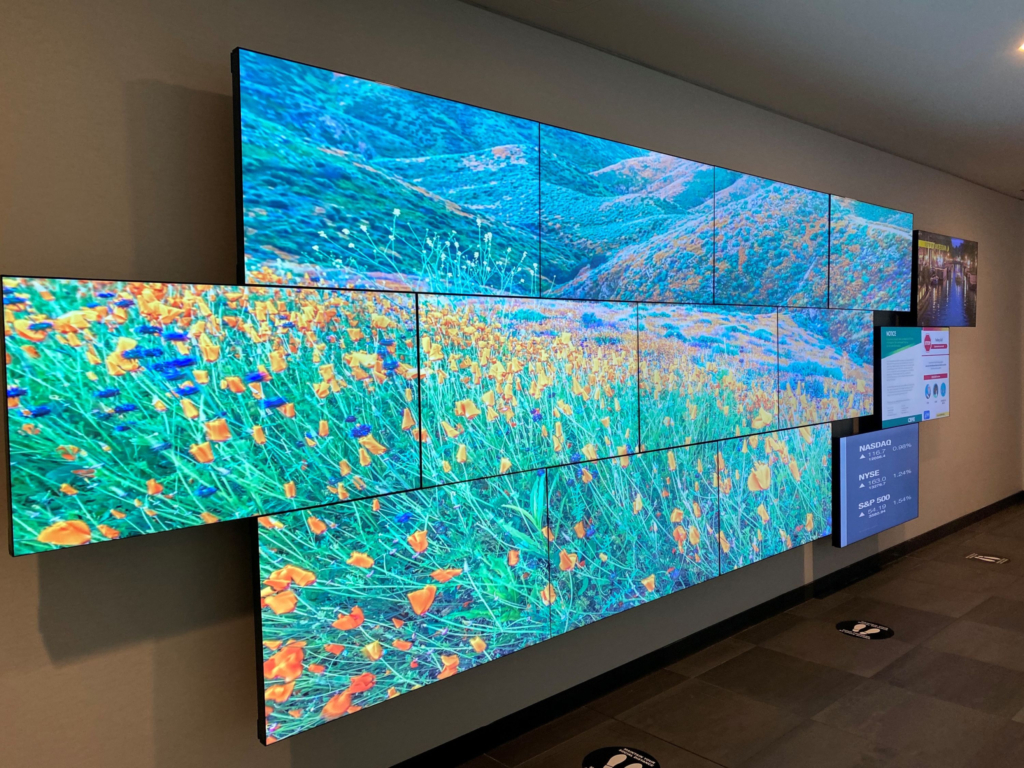
Build a Greener Future With TouchSource
Updating your facility’s technology doesn’t have to come at the expense of the environment. By investing in energy-efficient LED walls, prioritizing modular designs, and leveraging smart power controls, you can create engaging visual experiences that align with your sustainability targets.
TouchSource is committed to providing sustainable digital signage solutions that help organizations reduce energy usage, minimize electronic waste, and lower operational costs.
Ready to upgrade your facility with eco-friendly hardware? Contact us today to discover how our green signage technology can transform your space.