Practical lessons from ICSC Florida + Specialty on using technology to make retail properties easier to navigate, easier to understand and more memorable
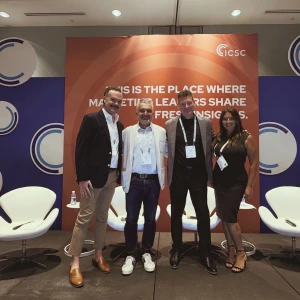
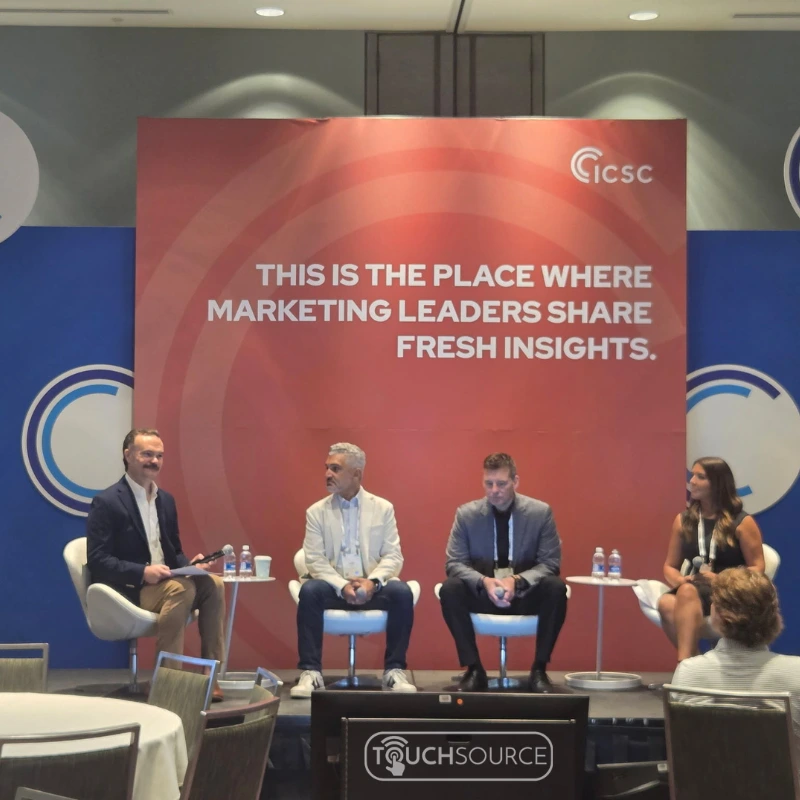
At ICSC Florida + Specialty in Orlando, I joined retail leaders for a panel on “The Intersection of Physical Retail and the Digital Experience.” The conversation kept returning to one deceptively simple idea: digital only matters when it makes the physical experience better.
The goal is not to add more screens, features or data for their own sake. It is to remove friction, help visitors discover more of the property and give them more reasons to return. If technology makes a place easier to navigate, easier to understand or more memorable, it is doing its job. If it becomes the focus, we are probably missing the point.
Start With Utility, Not Hardware
The most valuable technology often solves the most ordinary problems. Where is the store? What is happening today? Is there a restaurant nearby? How do I get from the parking area to the event? A useful digital experience moves a visitor from arrival to action with less uncertainty and fewer dead ends.
That requires accurate, consistent information across the property website, mobile experience and on-site displays. A shopper may plan online, search a directory after arriving and take directions with them on a phone. Those touchpoints should feel like one connected journey, not three unrelated systems. The screen is not the destination. Its job is to return the visitor to the property with more confidence and a better plan.
At Arden Fair, for example, interactive kiosks supported more than 27,000 active shopper sessions and 594,000 directory searches in 2025. The lesson is not that shoppers want to spend more time with kiosks. It is that answering a basic question such as “Where is the store, and how do I get there?” delivers real value at the moment of intent.
Let Digital Invite, Guide and Extend the Visit
One of the best frames from the panel was this: digital can be the invitation, the place-based experience is the party, and the web can help the relationship continue afterward.
Before the visit, digital creates awareness and helps people plan around stores, dining, services, events and amenities. At the property, it supports discovery, navigation and timely information. Afterward, it can make the experience easier to remember, share and repeat. The physical destination still has to deliver what a personal screen cannot: movement, surprise, food, entertainment, community and human interaction.
This is especially important when designing for younger consumers. Gen Z is digitally native, but that does not mean every physical interaction should become a digital one. Younger shoppers expect relevance, speed and intuitive experiences. They also value the shared, spontaneous and sensory qualities of being there. The future of physical retail is not the property trying to become a phone. It is the property doing what a phone cannot while meeting the usability expectations that phones have created.
Put Technology Where Decisions Happen
There is no universal rule for where digital belongs. “Outdoor is too hard” and “small centers do not need digital” are shortcuts, not strategies. The right starting point is the property’s actual problem, traffic flow, operating model and capital constraints.
Look for moments where people need information, make decisions or naturally pause: arrival points, parking-to-retail paths, major intersections, food and entertainment areas and gathering spaces. Then ask what already exists. The best first step may be improving an existing screen, connecting separate systems or converting a useful static location rather than adding more hardware.
A simple test helps: does the technology remove friction, improve discovery or make the visit feel more connected? If it does none of those things, it probably does not belong. Restraint can be a form of innovation.
Not sure where digital belongs on your property? TouchSource can help identify the visitor decision points where digital can provide the most value.
Make the Place the Main Character
My fellow panelists Greg Udchitz with Centennial, Joe Kunigonis with Smartify Media, and Kate Terricciano with Image Marketing each shared strong examples of shopper engagement. Their digital and non-digital scavenger hunts connected online activity with the physical destination. What made these activations effective was not the technology itself, but how it encouraged people to explore, notice more of the property and participate in a shared experience. Digital created the invitation and momentum, while the destination delivered the discovery, surprise and human connection that made the experience memorable.
The same principle applies to daily content. Events, tenant openings, offers and community messages can change immediately instead of waiting for another print cycle. Specialty concepts and emerging brands can gain visibility even without a permanent storefront or a large marketing budget. But a healthy network balances information, engagement and conversion. If every message is promotional, the experience quickly becomes noise.
When the experience has legitimate shopper value, it can also support tenant performance, specialty leasing and media revenue. A well-designed activation may create awareness for a tenant, give a sponsor a natural role, help leasing teams introduce a concept and give marketers another useful story to tell. The best sponsorship feels like part of the experience. The worst feels like a logo added after the experience was finished.
Build a Strategy, Not a Collection of Screens
A collection of screens has hardware. But a true place-based media strategy has a defined audience, content rules, ownership, measurement and a reason each display exists. It balances property communications, tenant content, direct sponsorships and programmatic demand without allowing any one source to overwhelm the guest experience.
Governance matters as much as software: who approves content, how local teams participate, how share of voice is managed and how delivery is verified. The larger opportunity is organizational. A connected digital foundation can give marketing, leasing, operations and revenue teams a shared view of the property and the shopper instead of forcing each department to manage a separate solution.
That creates a practical flywheel: utility drives engagement; engagement creates opportunities for tenants, sponsors and programming; those opportunities can help fund a stronger experience. Technology stops being the centerpiece and becomes infrastructure that helps the place perform.
Measure What Helps the Team Decide
More data does not automatically create more insight. The useful question is whether a metric changes a decision about content, programming, leasing, operations or investment. A directory search, an interactive session, a content play and an audience impression represent different behaviors. They should not be treated as interchangeable.
Wayfinding searches can reveal what visitors are actively trying to find. Content delivery can show when and where messages are running. Seasonal patterns can inform campaign timing, programming and staffing. The most useful dashboard is not the one with the most metrics. It is the one that helps the team decide what to do next.
The same standard should guide loyalty and data collection. Start with the behavior the property wants to improve, not with “we need more data.” If a visitor is asked to share information, the benefit should be clear in one sentence: convenience, access, recognition or greater relevance. Otherwise, the program is collecting data rather than building loyalty.
A Practical Test for Every Digital Investment
- What visitor problem are we solving?
- Will this make the property easier to navigate, understand or remember?
- Does it connect naturally to the experience before, during or after the visit?
- Can the property team keep the information current without creating another silo?
- What decision will the resulting data help us make?
- Will marketing, leasing, operations and revenue teams know who owns the experience?
- Does the technology keep the property, not the interface, at the center of the experience?
Technology Should Be Felt in the Outcome
At TouchSource, we believe physical retail wins when it gives people a reason to visit, an easy way to discover, and a reason to return. Retail digital signage should help all three. The best outcome is not that visitors remember the interface. It is that they remember the property as intuitive, engaging and worth another visit.
That is what is encouraging about the next phase of place-based technology. As digital tools become more accessible and less specialized, they can move from one-off projects into the everyday operating model. The winning question is no longer, “What should this screen show?” It is, “What can this connected property help the visitor and the team accomplish?”