
The Benefits of Transportation Digital Signage
Navigating a busy transit center often brings a mix of excitement and anxiety for travelers. Thousands of people rush through concourses, searching for gates, platforms, and ticketing counters. Missing a connection or losing track of time can turn a simple commute into a highly stressful ordeal. Clear communication is the foundation of a smooth journey, and modern technology provides the best way to keep everyone informed.
Upgrading to robust travel hub display systems changes the way facilities operate. Instead of static maps that quickly become outdated or confusing paper signs, facility managers can provide dynamic, instantly updatable information. This shift reduces bottlenecks and helps travelers move confidently from the entrance to their final departure point. Transportation digital signage is rapidly becoming the standard across the nation. Airports, train stations, and bus terminals rely on these networks to streamline operations and create a welcoming environment. By implementing the right combination of screens and software, transit authorities can dramatically improve the daily flow of thousands of passengers.
Real-Time Passenger Information and Wayfinding Solutions
The primary function of any transit display is to deliver accurate data precisely when people need it most. Passenger information screens located at key decision points ensure that travelers always know exactly when their train or flight is departing. If a gate changes or a delay occurs, the system updates automatically to reflect the new schedule.
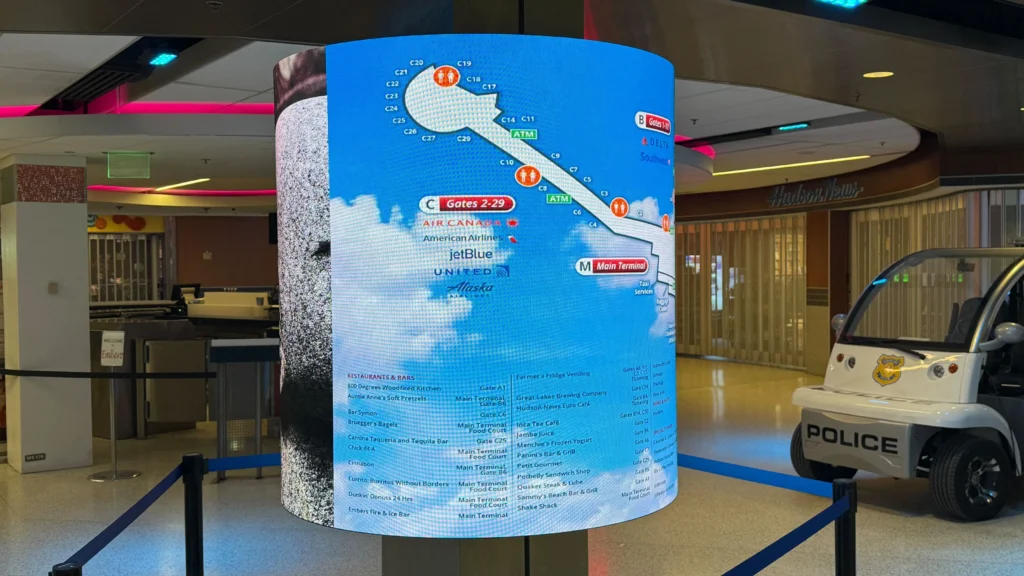
Transit hub wayfinding goes hand in hand with this real-time data. Interactive maps allow users to search for specific airlines, restrooms, or dining options. For example, airport wayfinding kiosks can provide animated routes that show users the fastest path to their destination, complete with estimated walking times. This level of detail empowers travelers to manage their time effectively, reducing the need to ask staff members for directions.
Enhancing Passenger Experience and Reducing Confusion
Travelers often arrive at transit centers burdened with luggage and distracted by tight schedules. A chaotic environment only amplifies their stress. Metro station signage cuts through the noise with bright, legible instructions that are easy to read from a distance. When passengers know exactly where they are going and how long it will take to get there, their entire experience improves. Bus terminal digital signage can highlight boarding zones and display countdowns to departure, removing the guesswork from the boarding process. By eliminating confusion, transportation centers foster a sense of calm and efficiency, leading to higher passenger satisfaction scores and better online reviews.
Advertising, Branding, and Revenue Opportunities
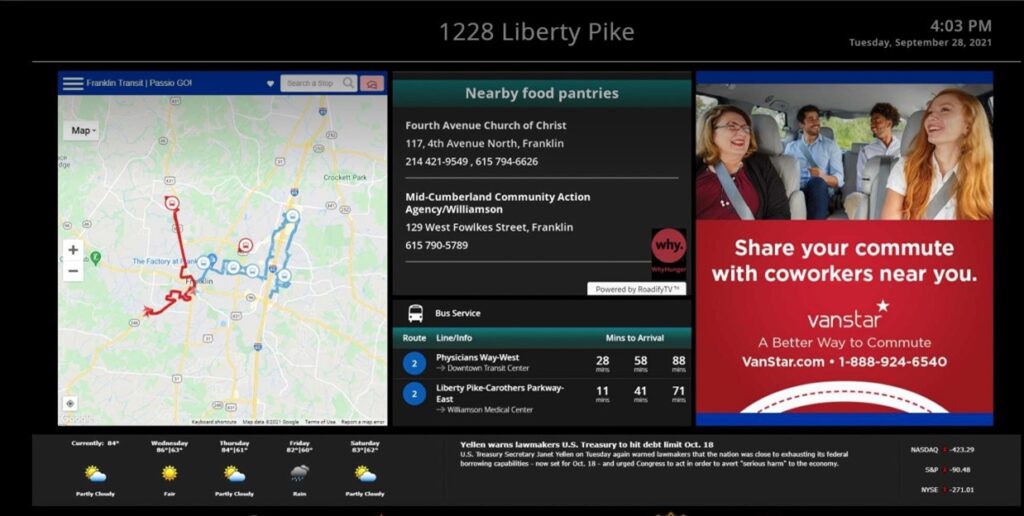
Beyond wayfinding and scheduling, airport digital signage solutions offer highly lucrative avenues for generating revenue. Transit hubs capture the attention of a massive, captive audience daily. Local and national brands are eager to place their messages in front of these diverse demographics. Facilities can intersperse paid advertisements alongside standard transit information. A screen might show a flight schedule for thirty seconds, followed by a ten-second high-definition video ad for a nearby hotel or restaurant. This rotating format maximizes screen utility without compromising the traveler’s need for information. Over time, the ad revenue generated by these travel hub display systems can offset the initial investment in the technology.
Crowd Control, Safety Alerts, and Emergency Messaging
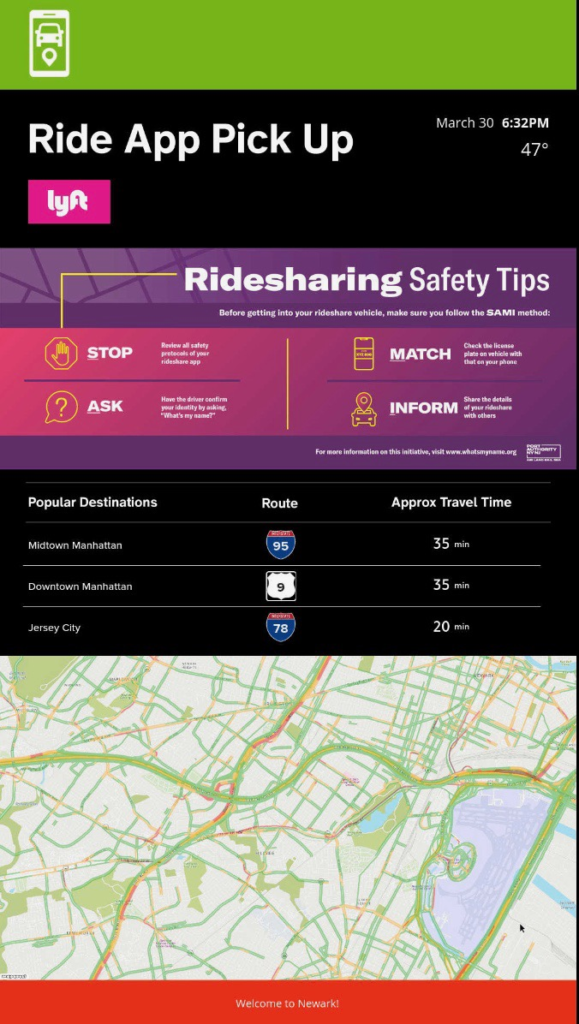
Safety remains a top priority for any transportation facility. During peak travel seasons or unexpected disruptions, crowds can quickly become unmanageable. Transportation digital signage plays a vital role in directing foot traffic and preventing dangerous bottlenecks. Screens can point travelers toward alternative exits or less crowded security checkpoints. In an emergency, these displays become critical communication tools. Administrators can instantly override standard programming to broadcast severe weather warnings, evacuation routes, or security alerts. Bright, flashing colors and bold text ensure everyone in the building receives the message immediately, facilitating a swift, organized response.
Integration With Transport Management Systems
The effectiveness of passenger information screens relies entirely on the accuracy of the data they display. Modern signage networks integrate directly with a facility’s existing transport management software. This seamless connection means that as soon as a dispatcher updates a train’s arrival time, that change instantly propagates across every screen in the building. This backend integration extends to other facility operations as well. Some systems connect to baggage handling software, automatically updating carousels with the correct flight information as soon as luggage begins to arrive. TouchSource’s easy-to-use content management system reduces staff burden by eliminating the need to update physical signs or individual monitors manually.
Challenges in High-Traffic, Multi-User Locations
Deploying screens in a busy transportation environment comes with unique operational hurdles. Equipment must withstand 24/7 usage, dust, and occasional physical impacts. Bus terminal digital signage, for instance, might be exposed to outdoor elements or extreme temperature fluctuations. Selecting commercial-grade hardware designed for rugged environments is essential. Visibility is another major concern. Large glass windows in modern airports create significant glare, making standard monitors difficult to read. Facilities must utilize high-brightness displays with anti-glare coatings to ensure legibility at all times of the day. The software managing these screens must be highly secure to prevent unauthorized access or tampering, protecting the integrity of the transit data.
Next Steps for Your Transit Hub
Creating a modern, efficient, and welcoming transportation center requires more than just hanging a few televisions on a wall. It demands a cohesive strategy that blends reliable hardware, intuitive software, and thoughtful placement. From interactive kiosks that guide lost travelers to massive overhead boards that keep the daily schedule running smoothly, the right technology makes all the difference. Upgrade your transportation hub with reliable, real-time digital signage designed specifically for the demands of modern travel. Schedule a Consultation Today to learn how our customized digital solutions can transform your facility, improve the passenger experience, and streamline your operations.